There is something inherently comforting about a spinach artichoke chicken skillet bubbling away on a weeknight. It takes the timeless, crowd-pleasing flavors of a classic appetizer dip and transforms them into a sophisticated, high-protein main course. This dish is designed for those who crave a restaurant-quality meal without the mountain of dishes that usually follows.
The magic of this recipe lies in the contrast of textures. You have the golden-brown, pan-seared chicken breast medallions nestled into a thick, velvety white cream sauce that clings to every bite. The vibrant, wilted dark green baby spinach adds a fresh earthiness that perfectly balances the tangy, chunky marinated artichoke hearts.
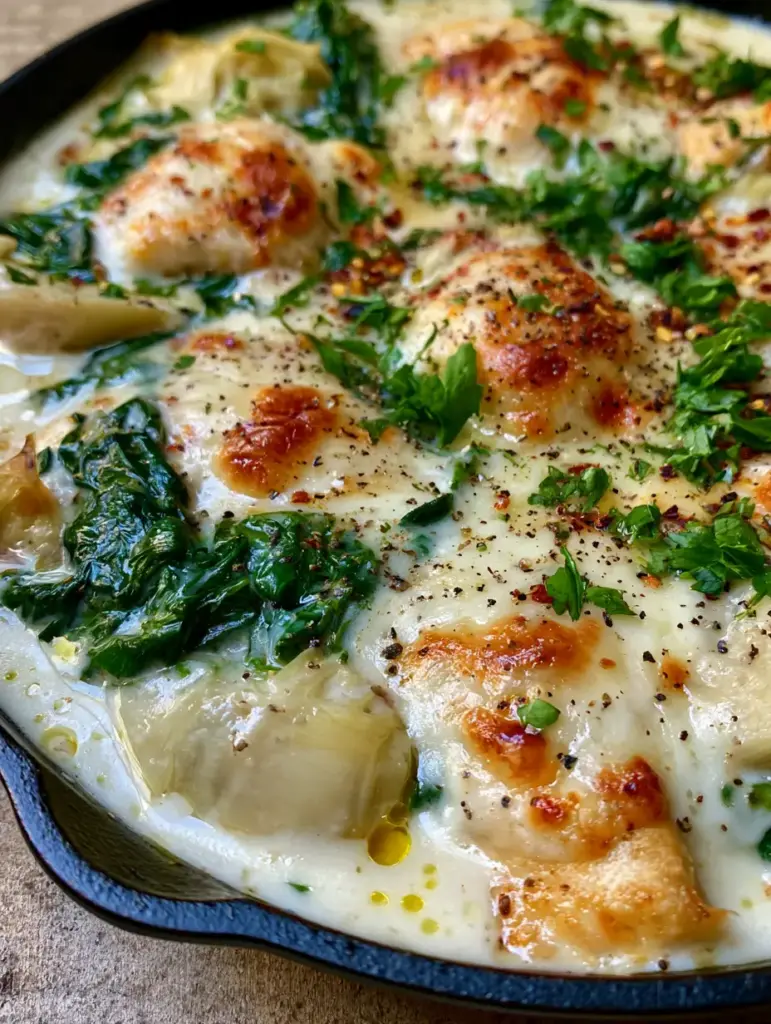
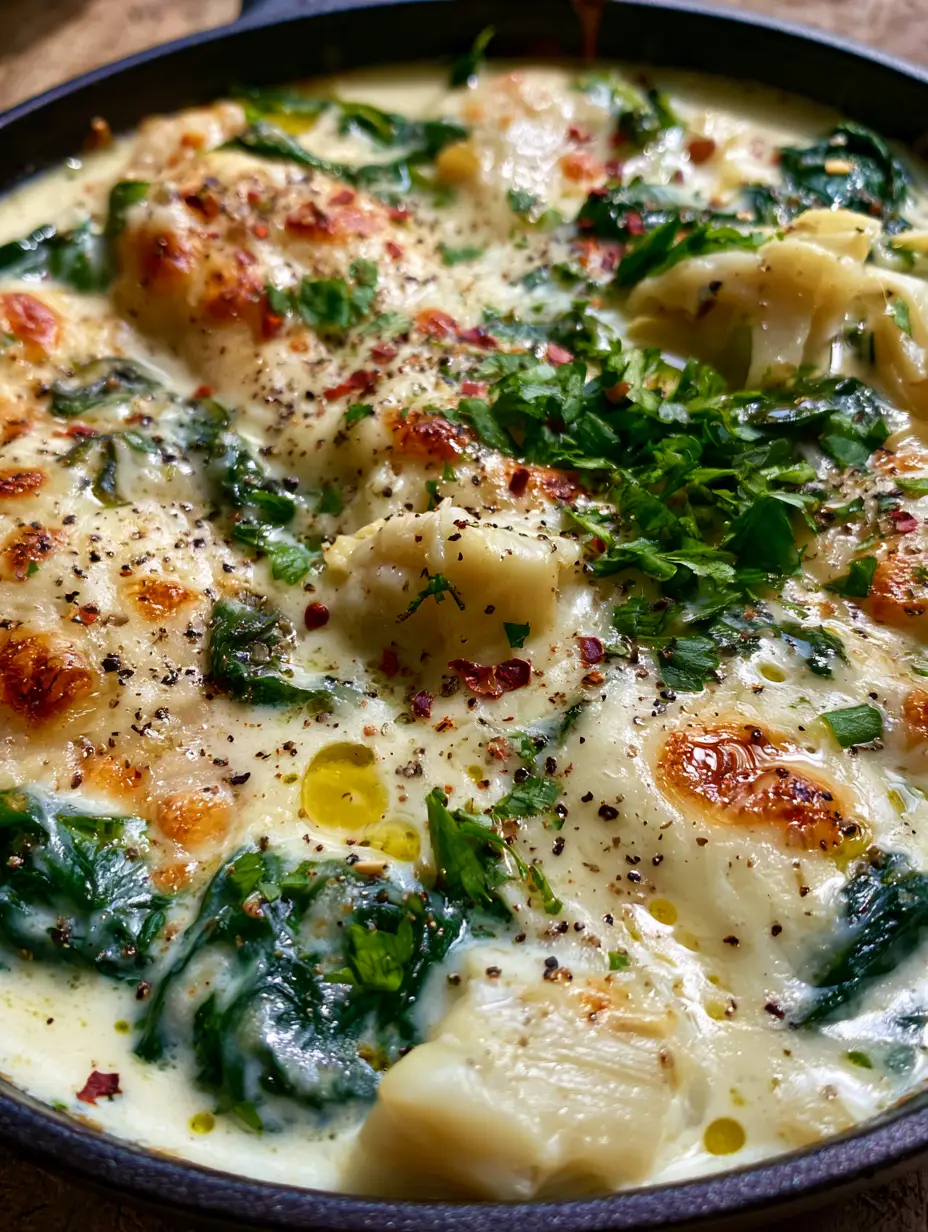
Visually, this dish is a showstopper. Imagine a black cast iron skillet where the sauce is actively bubbling, and the melted mozzarella has developed those coveted golden-brown toasted spots on the surface. Topped with a heavy hand of cracked black pepper and a pinch of red chili flakes, it is as beautiful as it is delicious.
Why This Creamy Chicken Skillet Is a Total Game-Changer
- Visual Perfection: The combination of vibrant greens, golden-brown cheese, and glistening sauce makes it a centerpiece-worthy meal.
- One-Pan Simplicity: By utilizing a single cast iron skillet, we build layers of flavor starting with the fond left behind from the chicken.
- Elite Texture: Using marinated artichokes instead of canned ones provides a deeper, zesty flavor profile and a superior tender-yet-firm texture.
- Keto-Friendly Comfort: This dish is naturally low-carb and high-fat, making it ideal for those following a ketogenic lifestyle without sacrificing flavor.
The Anatomy of an Elite Spinach Artichoke Sauce
To achieve the “thick, velvety white cream sauce” described in our visual blueprint, we don’t rely on flour or starches. Instead, we use the science of reduction. By simmering heavy cream with aromatics, the water evaporates, leaving behind a rich, stable emulsion that won’t break when the cheese is added.
The “marinated artichoke heart chunks” are a critical component. Unlike artichokes in water, marinated versions are packed with oil, vinegar, and herbs. This acidity cuts through the richness of the heavy cream and mozzarella, providing a necessary brightness that keeps the palate refreshed between bites.
If you love this flavor profile, you might also enjoy my creamy chicken mushroom spinach skillet for a more earthy, forest-floor twist on the one-pan classic.
Foundational Ingredients for the Perfect Skillet
Chicken Breasts: 1.5 lbs (680g) of boneless, skinless breasts, sliced into medallions. Cutting them into medallions ensures a faster cook time and more surface area for that golden-brown sear.
Marinated Artichoke Hearts: 1 jar (12oz / 340g), drained and roughly chopped. These provide the tangy punch and chunky texture that defines the dish.
Fresh Baby Spinach: 5 oz (142g) of packed leaves. They may look like a lot at first, but they wilt down into elegant ribbons of dark green color.
Heavy Cream: 1 cup (240ml). This is the base of our velvety sauce; do not substitute with milk if you want that professional, thick consistency.
Mozzarella Cheese: 1.5 cups (170g) of shredded low-moisture mozzarella. This is what creates those beautiful bubbly, toasted spots under the broiler.
Aromatics and Spices: 3 cloves of minced garlic, 1 tsp (5g) sea salt, 1 tsp (2g) cracked black pepper, and 1/2 tsp (1g) red pepper flakes for a subtle heat. Fresh parsley provides the final bright green garnish.
Essential Tools for Success
A 12-inch black cast iron skillet is the preferred vessel for this recipe. Cast iron retains heat exceptionally well, which is crucial for achieving the deep golden-brown sear on the chicken breast medallions.
You will also need a sharp chef’s knife for mincing the fresh parsley and a sturdy spatula for scraping the bottom of the pan. This “scraping” action incorporates the flavorful browned bits (fond) into the cream sauce, deepening the overall savory profile of the meal.
Developing the Deep Golden Sear: Step-by-Step
1. Searing the Chicken Medallions
Heat 1 tbsp (15ml) of olive oil in your cast iron skillet over medium-high heat. Once the oil glistens and a faint wisp of smoke appears, add the chicken medallions in a single layer. Season with salt and pepper immediately.
Cook for 3-4 minutes per side without moving them. You are looking for a deep, golden-brown crust to form—this is the Maillard reaction in action, and it is the foundation of the dish’s flavor. Remove the chicken and set aside on a plate.
2. Building the Flavor Base
Lower the heat to medium and add the minced garlic and the chopped marinated artichoke hearts. Sauté for 2 minutes. The moisture from the artichokes will help deglaze the pan, lifting the browned chicken bits into the aromatics.
3. Emulsifying the Cream Sauce
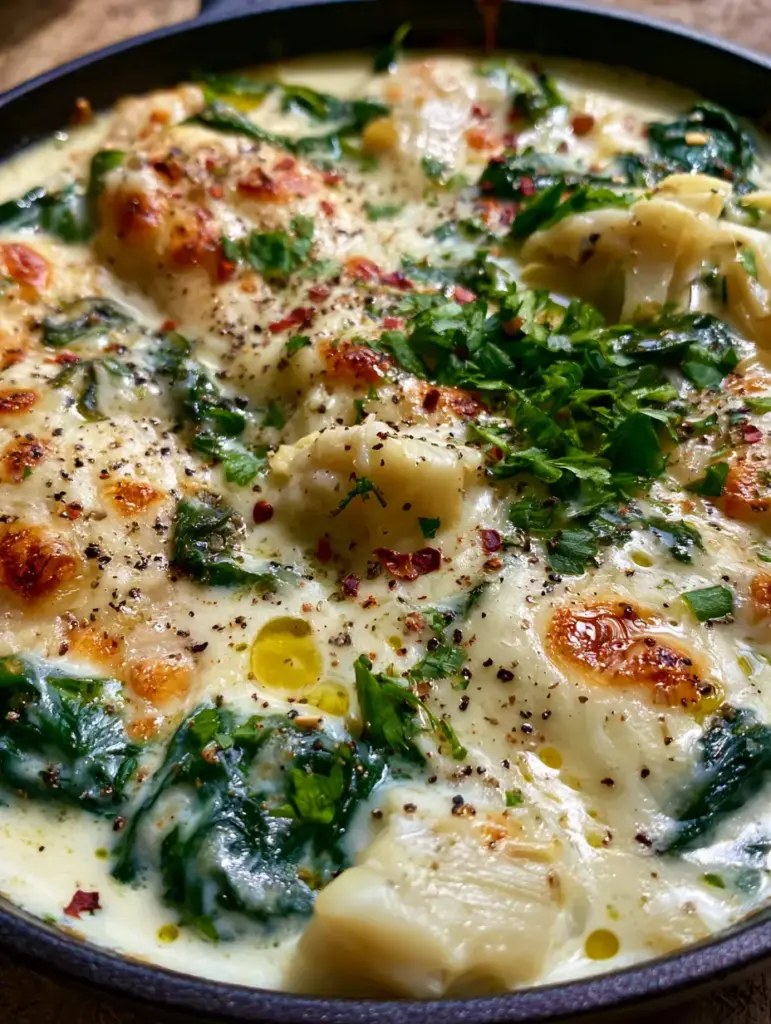
Pour in the 1 cup (240ml) of heavy cream. Bring the liquid to a gentle simmer, not a rolling boil. Let it reduce for about 3-5 minutes until it coats the back of a spoon. You will see “tiny droplets of golden oil” from the artichoke marinade beginning to glisten on the surface.
4. The Great Wilt and Fold
Add the 5 oz (142g) of baby spinach to the skillet. It will seem like a lot, but use your tongs to gently fold it into the warm cream. Within 60 seconds, the spinach will transform into vibrant, dark green ribbons folded throughout the sauce.
5. The Broiler Finish
Add the chicken medallions back into the skillet, nestling them into the sauce. Sprinkle the 1.5 cups (170g) of mozzarella over the top. Transfer the skillet to the oven under the broiler for 2-3 minutes. Watch closely! You want the cheese to be bubbly with visible toasted golden-brown spots.
6. Final Garnishing Cues
Remove the skillet from the oven. Immediately hit it with a fresh round of cracked black pepper, the red pepper flakes, and a generous scatter of finely chopped parsley. The heat from the pan will wake up the oils in the pepper and parsley, creating an incredible aroma.
Expert Tips for a Professional Result
- Dry Your Chicken: Always pat the chicken medallions dry with a paper towel before searing. Moisture is the enemy of a golden-brown crust.
- The Broiler Watch: Every broiler is different. Stay by the oven window; the transition from “melted” to “burnt” happens in seconds.
- Sauce Consistency: If your sauce becomes too thick, add a splash of chicken broth or water to loosen it back to a velvety state.
- Artichoke Prep: Don’t chop the artichokes too small. You want “chunky, tender chunks” that provide a structural contrast to the wilted spinach.
How to Store and Reheat Your Leftovers
This spinach artichoke chicken skillet keeps beautifully in the refrigerator for up to 3 days. Store it in an airtight glass container to preserve the flavors. When reheating, the cream sauce may thicken significantly.
To restore the original texture, reheat on the stovetop over low heat with a tablespoon of water or cream. Avoid the microwave if possible, as it can cause the fats in the sauce to separate, leaving you with an oily mess rather than a velvety sauce.
What to Serve with This Creamy Skillet
Because this dish is so rich and flavorful, it pairs best with sides that can soak up the extra sauce or provide a crisp contrast. A simple traditional Greek salad offers a vinegary crunch that cuts through the cream beautifully.
If you aren’t watching your carbs, serving this over a bed of buttery orzo is a fantastic way to ensure not a single drop of the sauce goes to waste. For a low-carb alternative, these air fryer zucchini crisps provide a satisfying crunch on the side.
Frequently Asked Questions
Absolutely. Chicken thighs are more forgiving and stay juicy. Just ensure you sear them skin-side down first (if using skin-on) to render the fat and get that crispy texture.
Yes, but you must thaw it completely and squeeze out all excess moisture using a kitchen towel. Otherwise, the extra water will make your cream sauce runny and thin.
While any oven-safe skillet works, cast iron is recommended for its superior heat retention, which creates a better sear on the chicken and more even browning on the cheese.
Yes, it stores well for 3 days. However, when reheating, add a splash of cream or water to the pan to bring the sauce back to its original velvety consistency.
This usually happens if the heat is too high or if the sauce is boiled vigorously after the cheese is added. Keep the heat at a gentle simmer to maintain a stable emulsion.
The Ultimate One-Pan Spinach Artichoke Chicken Skillet Recipe
Spinach Artichoke Chicken Skillet: The Ultimate One-Pan Creamy Dinner
Ingredients
Equipment
Method
- Heat oil in a cast iron skillet over medium-high heat. Pat chicken dry and sear for 3-4 minutes per side until a deep golden-brown crust forms. Remove and set aside.
- Lower heat to medium. Add garlic and artichokes. Sauté for 2 minutes, scraping the bottom of the pan to release the chicken fond.
- Add heavy cream. Simmer for 3-5 minutes until the sauce thickens and tiny golden oil droplets appear on the surface.
- Fold in the baby spinach until just wilted and dark green.
- Return chicken to the pan. Top with mozzarella. Broil for 2-3 minutes until the cheese has golden-brown toasted spots. Garnish with pepper, chili flakes, and parsley.
Notes
Watch the broiler carefully to prevent the mozzarella from burning.
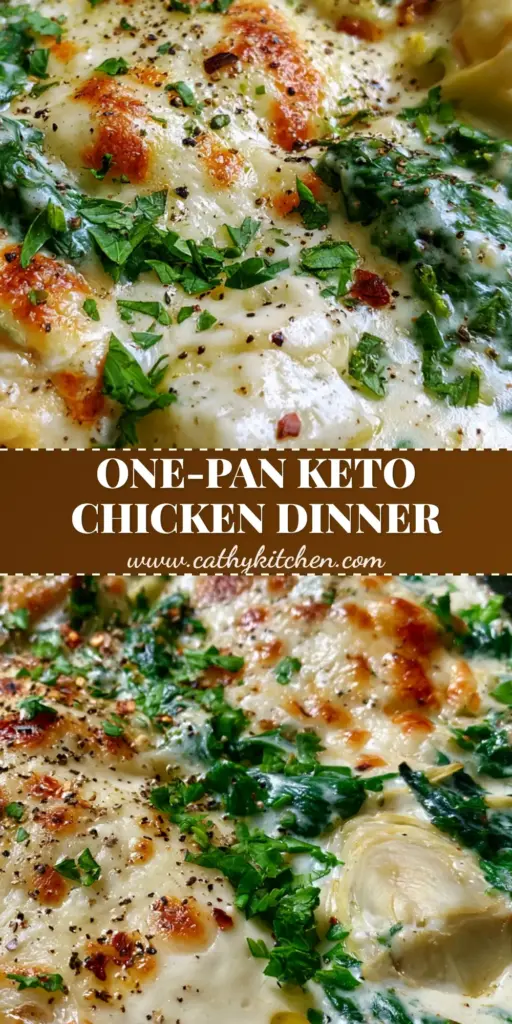
This spinach artichoke chicken skillet is a testament to how simple ingredients can create a complex, multi-layered dining experience. By focusing on the sear of the chicken and the reduction of the cream, you achieve a level of flavor that rivals any high-end bistro. The toasted mozzarella and vibrant greens make it a visual feast that is just as satisfying to look at as it is to eat.
If you made this recipe and loved it, please leave a comment below and let me know how yours turned out! Don’t forget to follow me and save this recipe to your boards on Pinterest so you can find it whenever the craving for a creamy, cheesy dinner hits.