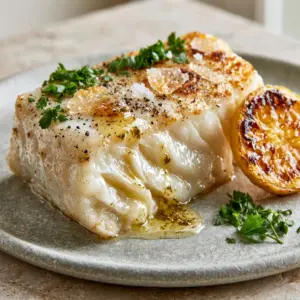
Cooking air fryer halibut is the ultimate culinary hack for achieving restaurant-quality results in less than 15 minutes. This recipe transforms a thick, premium fillet into a pristine white masterpiece that glistens with moisture and pulls apart into massive, distinct macro-flakes.
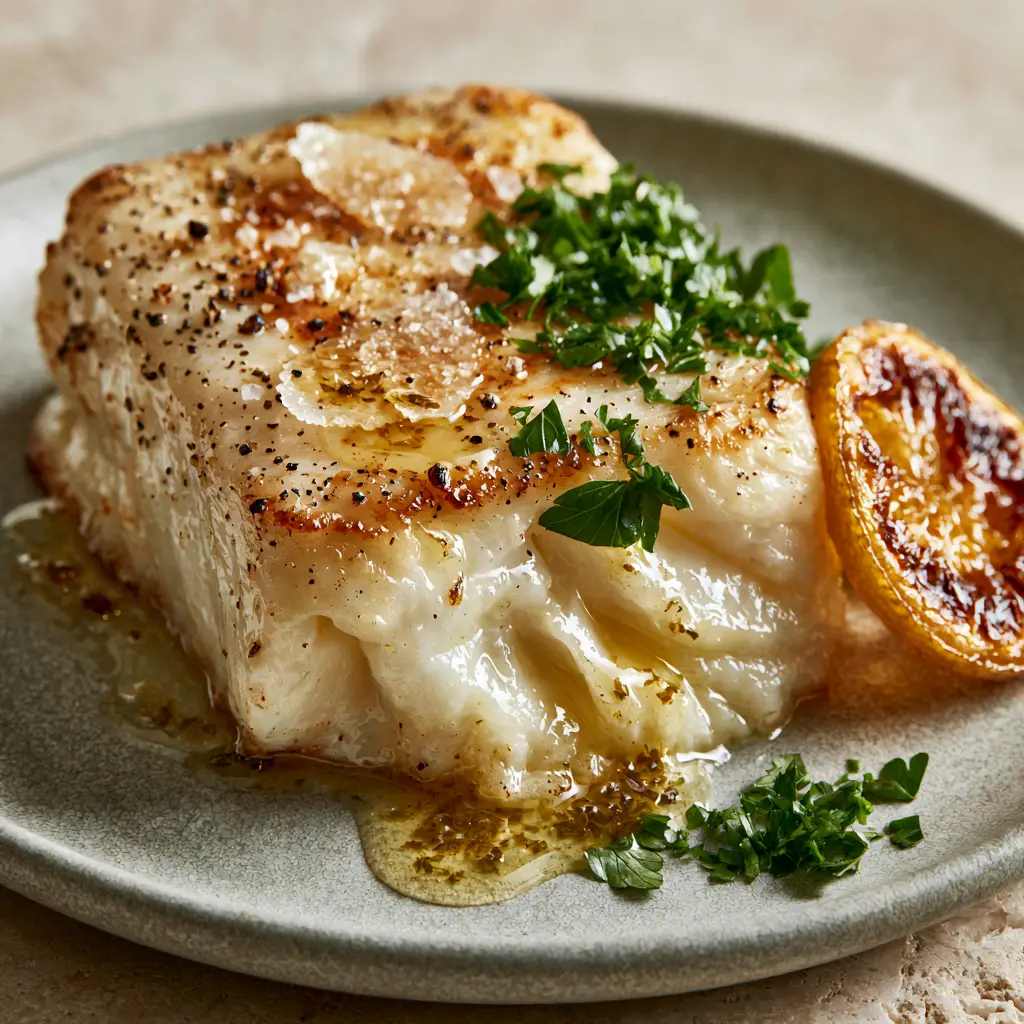
The magic happens through the rapid convection of the air fryer, which creates a stunning, light golden-brown toasted crust on the surface. We then finish the dish with a translucent, golden lemon-herb butter sauce that pools elegantly within the fish’s natural architecture.
Whether you are a seasoned chef or a home cook looking for a healthy, high-protein meal, this method ensures your fish is never rubbery or dry. By focusing on sensory cues like the buttery sheen and the sound of a light sizzle, you will master the art of the perfect sear every single time.
Why This Convection Method Produces Superior Flaky Fish
- The “Macro-Flake” Texture: Unlike baking, the concentrated heat of the air fryer sets the exterior quickly, locking in the natural juices that create those massive, buttery flakes.
- Golden-Brown Precision: You get a targeted, toasted crust without the mess of oil splatters from a traditional skillet sear.
- Time Efficiency: A thick 1.5-inch (4cm) fillet cooks in a fraction of the time compared to a traditional oven, making it perfect for busy weeknights.
- Visual Elegance: With a garnish of vibrant green parsley and a charred lemon wedge, this dish looks like it was plated by a professional sous-chef.
Sourcing the Finest Components for Your Halibut Masterpiece
Thick Halibut Fillets: Look for “center-cut” pieces that are at least 1-1.5 inches (2.5-4cm) thick. This thickness is crucial for achieving that “pristine white” interior without overcooking the center before the top browns.
Avocado Oil or Grapeseed Oil: You need 1 tbsp (15ml) of a high-smoke-point oil to coat the fish. This is the “invisible” foundational ingredient that allows the top to achieve that golden-brown toasted crust described in our visual blueprint.
Unsalted Grass-Fed Butter: Use 2 tbsp (30g) of high-quality butter for the glaze. Grass-fed varieties offer a deeper yellow hue, enhancing the “buttery sheen” and translucent look of the final sauce.
Fresh Lemon Juice and Zest: The acid cuts through the richness of the fish. We will also be charring a single, caramelized lemon slice in the air fryer basket to intensify the citrus notes.
Maldon Sea Salt and Cracked Black Pepper: Large salt crystals and freshly cracked pepper provide the specific “visible specks” and textural crunch required for a professional finish.
Flat-Leaf Parsley: Finely minced vibrant green parsley adds the final pop of color and a fresh, herbaceous top note that balances the savory butter.
Essential Tools for the Perfect Air Fryer Sear
To achieve the results seen in our handheld smartphone photo style, you will need a basket-style or toaster-oven-style air fryer. A digital meat thermometer is non-negotiable for ensuring the halibut reaches an internal temperature of 130°F (54°C) for maximum juiciness.
You will also need a small saucepan to melt the herb butter glaze and a sharp chef’s knife to finely mince the parsley. Using a matte-textured, light grey ceramic plate for serving will provide the neutral, minimalist background that makes the golden fish pop.
Step-by-Step Evolution of a Golden Halibut Fillet
Preparing the Fish for Maximum Crispness
Start by patting the halibut fillet bone-dry with paper towels. Any surface moisture will create steam, preventing the “golden-brown toasted crust” we are aiming for.
Brush the entire fillet with 1 tbsp (15ml) of avocado oil and season generously with cracked black pepper and half of the sea salt. Let the fish sit at room temperature for 10 minutes to ensure even cooking.
Achieving the Golden Toasted Crust
Preheat your air fryer to 400°F (200°C). Place the halibut fillet in the center of the basket, skin-side down (if applicable). Place the lemon wedge cut-side up next to the fish.
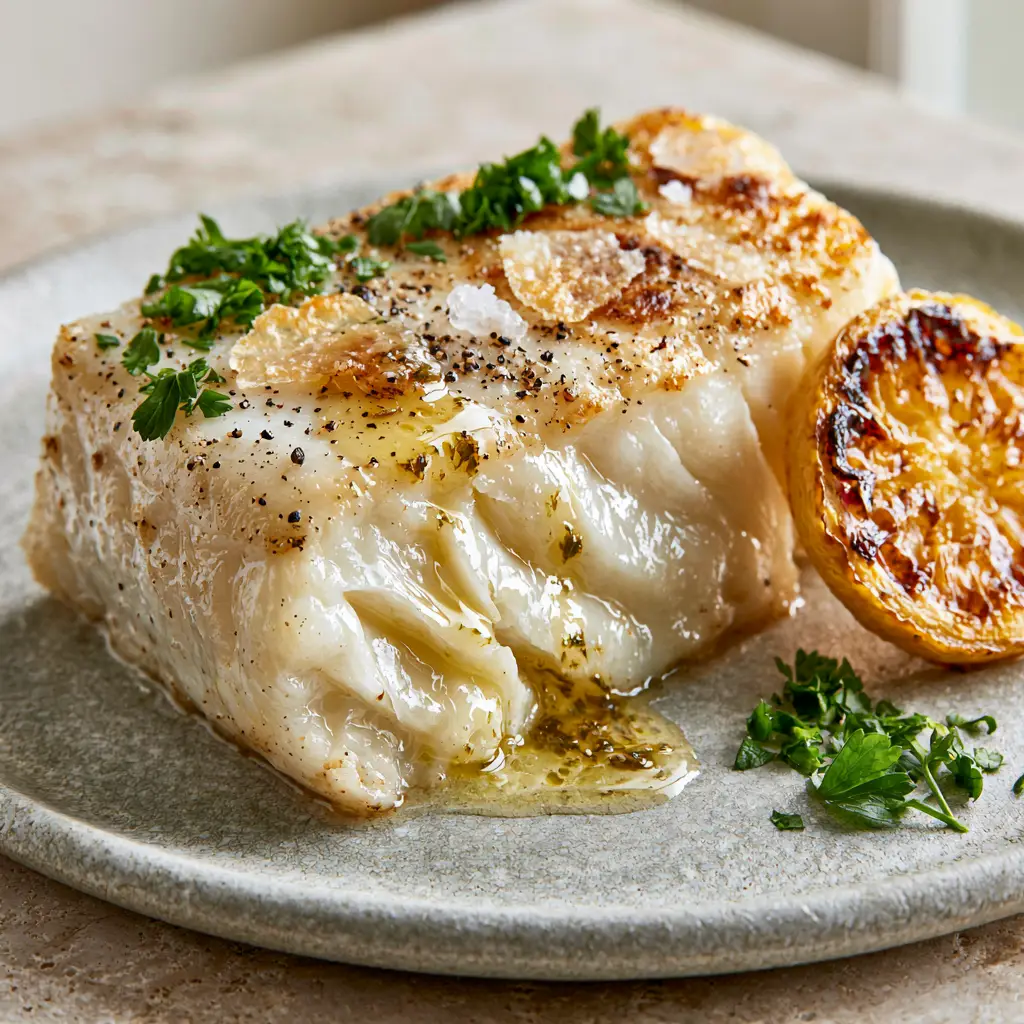
Air fry for 8-10 minutes. Watch for the visual cue: the top surface should transition from translucent to a light, toasted honey-gold. The lemon wedge should look charred and slightly caramelized around the edges.
Crafting the Translucent Lemon Herb Butter
While the air fryer halibut cooks, melt 2 tbsp (30g) of butter in a small pan over low heat. Whisk in 1 tsp (5ml) of fresh lemon juice and half of the finely chopped parsley.
Keep the sauce warm but do not let it brown; we want it to remain translucent and golden to create that glistening buttery sheen on the finished plate.
The Final Flake and Garnish
Carefully remove the fish when the internal temperature hits 130°F (54°C). The fish will continue to rise to 135°F (57°C) as it rests. Drizzle the warm lemon butter directly over the top, letting it pool in the gaps between the macro-flakes.
Sprinkle the remaining vibrant green parsley and a few extra crystals of Maldon sea salt over the top. Serve immediately with the charred lemon slice on the side.
Pro-Tips for Culinary Success
- Don’t Overcrowd: If cooking multiple fillets, ensure there is at least 2 inches (5cm) of space between them to allow the air to circulate and create the crust.
- The Fork Test: If you don’t have a thermometer, gently press the side of the fish with a fork; it should easily separate into distinct, moist layers.
- Preheating is Key: Always preheat your air fryer for at least 3 minutes. Putting fish into a cold air fryer leads to a mushy texture rather than a seared one.
- Resting Period: Allow the fish to rest for 2 minutes before drizzling the butter. This helps the proteins relax and retain their moisture.
Sensory Pairing: What to Serve with Halibut
To round out this premium seafood meal, consider pairing your halibut with light, vibrant sides. The acidity of the lemon butter pairs beautifully with a fresh Greek salad or the traditional flavors of horiatiki.
If you prefer more texture, try serving the fish alongside air fryer zucchini crisps or some breaded zucchini for a satisfying crunch. For a complete Mediterranean spread, a side of chicken orzo pasta (sans chicken) works wonders to soak up the extra lemon herb butter.
If you’re looking for more inspiration for your appliance, explore our full library of air fryer recipes to keep your weeknight dinners exciting and healthy.
Safe Storage and Reheating Guidelines
Halibut is best enjoyed immediately to appreciate the contrast between the toasted crust and the moist interior. However, leftovers can be stored in an airtight container in the refrigerator for up to 2 days.
To reheat, place the fish back in the air fryer at 320°F (160°C) for 3-4 minutes. Avoid the microwave, as it will turn those beautiful macro-flakes into a rubbery, tough texture. Adding a fresh pat of butter during reheating helps restore the original sheen.
Expert Troubleshooting: Frequently Asked Questions
While you can cook from frozen, for the best ‘macro-flake’ results described in this recipe, it is recommended to thaw the halibut completely and pat it dry to ensure a proper golden sear.
The fish is ready when the meat changes from translucent to opaque white and the layers begin to separate easily when gently pressed with a fork.
To prevent sticking, brush both the fish and the air fryer basket with a high-smoke-point oil like avocado oil. You can also use a small piece of perforated parchment paper specifically designed for air fryers.
Halibut is perfectly cooked when it reaches an internal temperature of 130°F-135°F (54°C-57°C). Use a digital thermometer to check the thickest part of the fillet.
Lack of browning is usually due to moisture on the surface of the fish or not using enough oil. Ensure the fillet is patted very dry and lightly coated with oil before air frying at a high temperature.
Mastering the Ultimate Air Fryer Halibut
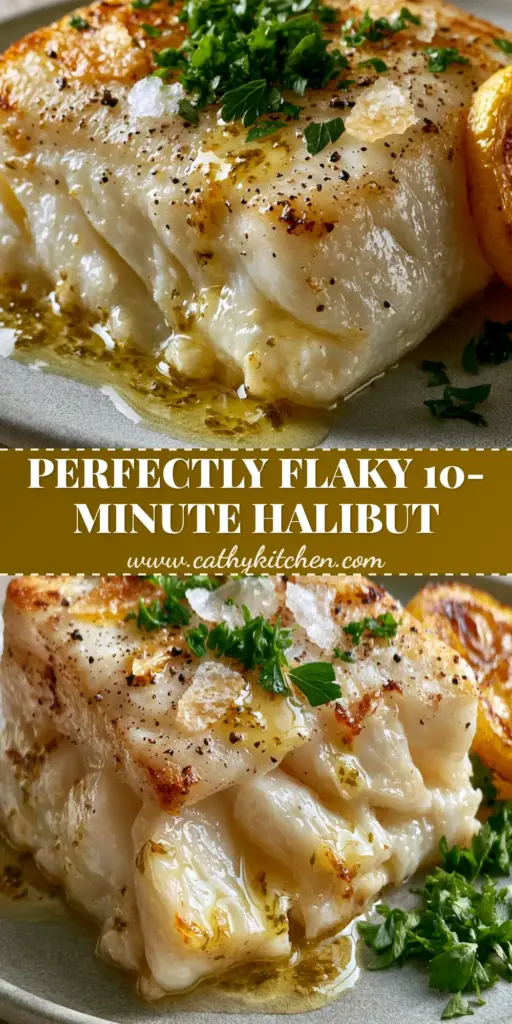
Air Fryer Halibut with Lemon Herb Butter and Golden Macro-Flakes
Ingredients
Equipment
Method
- Pat the halibut fillets completely dry with paper towels. Brush with avocado oil and season with salt and cracked black pepper.
- Place fillets in a preheated 400°F (200°C) air fryer. Add a lemon slice to the basket. Cook for 8-12 minutes until the top is golden-brown and the internal temperature is 130°F (54°C).
- Melt butter with lemon juice and parsley. Drizzle over the rested fish, allowing it to pool in the flakes. Garnish with more sea salt and the charred lemon.
Notes
Preheat the air fryer for the best golden crust.
Final Thoughts and Culinary Inspiration
Making air fryer halibut is a testament to how modern technology can honor classical culinary techniques. By focusing on the visual cues of the golden sear and the textural integrity of the macro-flakes, you can produce a meal that rivals the best seafood houses.
We invite you to share your results and tag us in your photos! For more visual inspiration and daily recipe updates, be sure to follow cathy_kitchen_official on Pinterest. Don’t forget to subscribe to our newsletter for exclusive tips on mastering your air fryer and beyond.