When you close your eyes and imagine the perfect summer afternoon on the New England coast, one specific image likely comes to mind: an overstuffed, glistening sandwich of fresh seafood. These Lobster Rolls are designed to satisfy that exact craving, offering a sensory experience that combines temperature, texture, and the pure, unadulterated sweetness of the ocean.
The secret to a world-class roll isn’t in a heavy, cloying dressing; it is in the high-contrast marriage of chilled Maine lobster meat and warm, liquid gold in the form of clarified butter. This specific preparation creates a handheld masterpiece that highlights the natural beauty of the claw and tail meat without the distraction of mayonnaise.
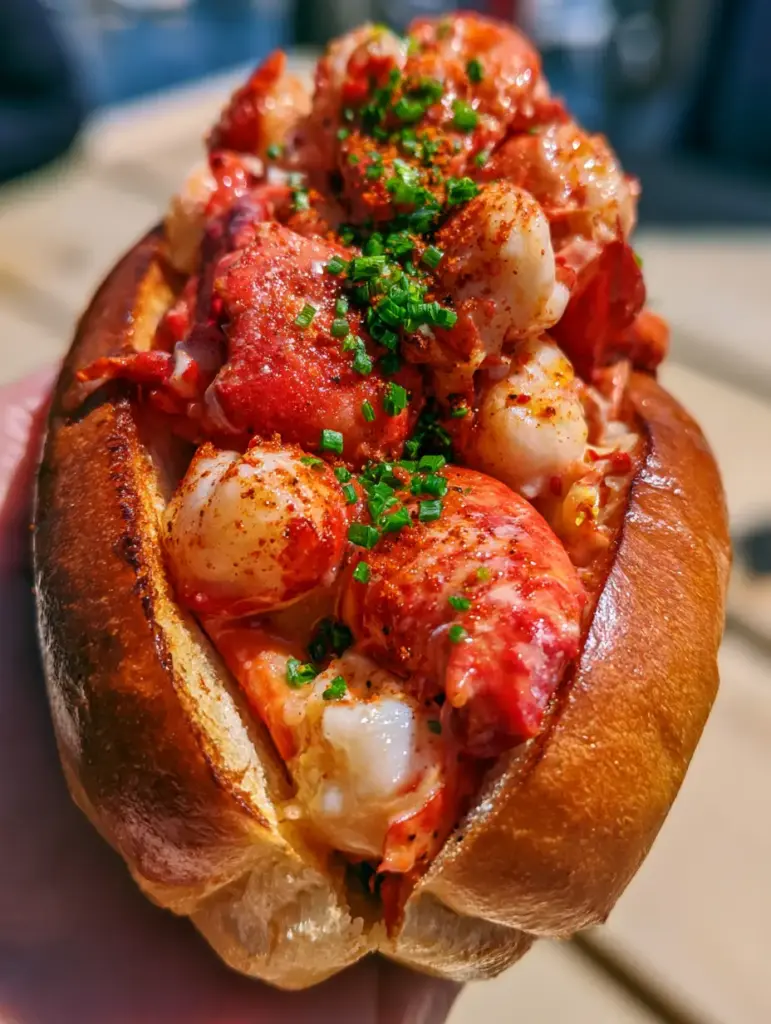
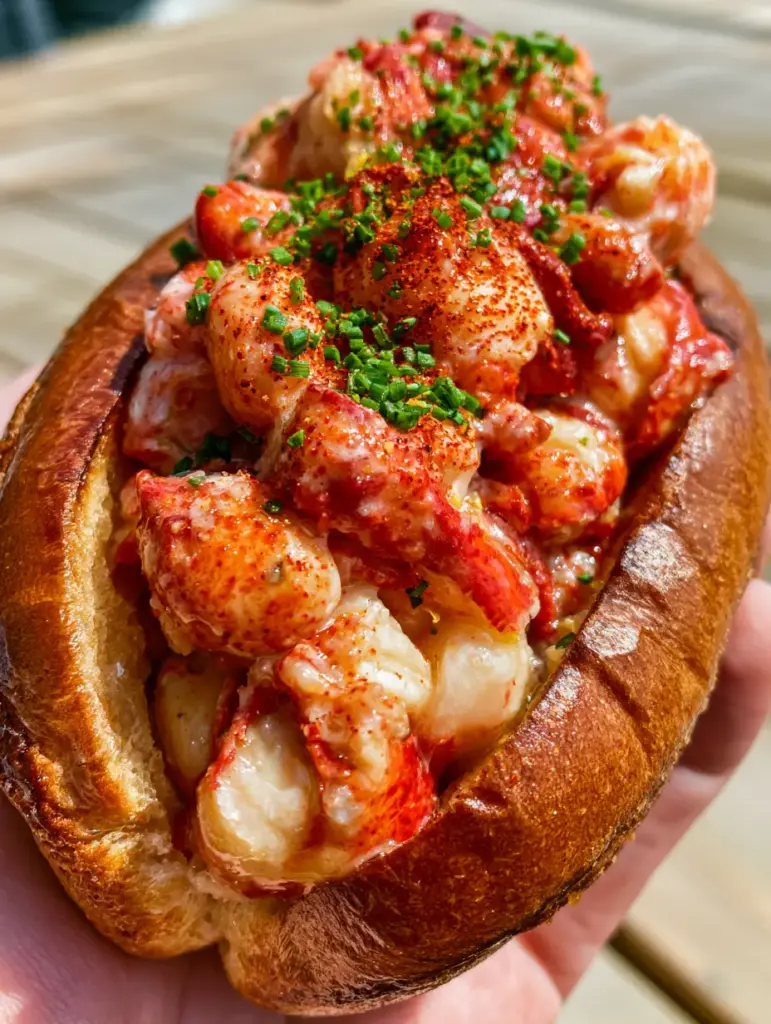
Our Lobster Rolls focus on the “butterfly-cut” thick brioche bun, toasted to a precise mahogany finish. This provides a structural, buttery crunch that supports a mountain of bright red and white lobster meat, finished with a whisper of citrus and smoke. It is the gold standard for home cooks who want to recreate a five-star coastal shack experience in their own kitchen.
Why This No-Mayo Lobster Rolls Recipe Wins Every Time
- The Temperature Contrast: By using chilled Maine lobster against a hot, buttery bun, you create a complex mouthfeel that enhances the sweetness of the meat.
- Structural Integrity: The thick-cut brioche is butterfly-cut and toasted on the sides, ensuring the roll doesn’t collapse under the weight of the massive claw chunks.
- Visual Brilliance: The absence of mayo allows the vibrant red and white of the lobster meat to shine, especially when garnished with neon-green chives and a dusting of smoked paprika.
- Pure Flavor Profile: We use clarified butter instead of standard melted butter to provide a cleaner, deeper dairy flavor with a higher smoke point for a more even toast on the bread.
The Anatomy of an Overstuffed Maine Lobster Roll
To achieve the result seen in high-end food photography, you must understand the role of every ingredient. While the lobster is the star, the supporting cast ensures that the star performs at its peak.
Chilled Maine Lobster Claw & Tail Meat: 1 lb (455g) of premium meat is essential. Using a mix of claws and tails provides a variety of textures—the claws are tender and delicate, while the tail provides a meaty, satisfying chew.
Clarified Butter (Liquid Gold): 1/2 cup (115g) is required for both the meat coating and the bun toasting. Clarified butter removes the milk solids, preventing the bun from burning too quickly and giving the meat a professional “glistening” sheen.
Thick-Cut Brioche Buns: 4 massive, top-split brioche buns act as the vehicle for your seafood. Unlike standard hot dog buns, brioche has a higher egg and butter content, which creates that signature mahogany crust when seared.
Finely Chopped Fresh Chives: 2 tbsp (6g) of these provide a mild, onion-like bite and a sharp green contrast to the red lobster. They should be minced as finely as possible to avoid overpowering the palate.
Smoked Paprika & Lemon Zest: A dash of paprika (roughly 1/4 tsp) and the zest of one lemon add depth and brightness. The zest provides the essential acidity of lemon without the moisture of juice, which can make the bun soggy.
Foundational Ingredients: You will also need a pinch of flaky sea salt (to enhance the sweetness of the lobster) and a teaspoon of neutral oil (to help the clarified butter coat the pan evenly during the toasting phase).
Essential Equipment for Coastal Quality
To replicate the deep golden-brown mahogany toast described in our visual blueprint, you need a heavy-bottomed cast iron skillet. The thermal mass of cast iron ensures the brioche toasts evenly from edge to edge without hot spots.
A microplane or fine zester is also mandatory for the lemon. You want microscopic curls of zest that disappear into the butter, providing flavor without altering the texture of the lobster chunks. Finally, a sharp chef’s knife is needed to “butterfly” the buns if they are not pre-split, allowing for maximum “overstuffing” capacity.
The Master Blueprint: How to Construct Your Lobster Rolls
Step 1: Preparing the Glistening Lobster Filling
Start by ensuring your Maine lobster meat is properly chilled. Use a clean paper towel to gently pat the meat dry; this allows the warm clarified butter to adhere better to the surface, creating that professional “glistening” look.
In a medium glass bowl, combine the chilled claw and tail chunks. Drizzle 3 tablespoons (45ml) of warm clarified butter over the meat and toss very gently with a rubber spatula, ensuring you don’t break the large claw pieces. Add the lemon zest and a tiny pinch of salt at this stage.
Step 2: The Art of the Butterfly Brioche Toast
Heat your cast iron skillet over medium-low heat. Brush the flat outer sides of your thick-cut brioche buns generously with the remaining clarified butter. If your buns are not top-split, use a serrated knife to cut a deep “V” into the top, being careful not to cut all the way through.
Place the buns side-down in the skillet. Press down gently with a spatula to ensure full contact. Toast for 2-3 minutes per side until the bread achieves a deep, dark golden-brown mahogany color. You are looking for a visible buttery crispness that crackles when touched.
Step 3: Assembling the Mountain of Meat
While the buns are still warm, open the butterfly cut wide. Begin by tucking the smaller tail pieces into the bottom of the bun to create a foundation. This prevents the larger, more attractive claw meat from falling out.
Pile the massive claw chunks high on top, letting them overflow the edges of the bun. This “overstuffed” look is the hallmark of an authentic Maine-style roll. The meat should look clean, bright red, and white, with the butter catching the light.
Step 4: The Final Artistic Garnishes
Hold the rolls steady and apply a light, even dusting of smoked paprika. This shouldn’t taste “smoky,” but rather provide a subtle warmth and a color pop. Finish with a generous sprinkle of the finely minced green chives, which should look like tiny emeralds against the white lobster meat.
Expert Tips for the Perfect Crustacean Connection
- The “Dry” Technique: If your lobster meat is too wet, the butter will slide off and pool at the bottom of the bun. Always pat your lobster meat dry before tossing it in the clarified butter.
- Clarification Matters: Don’t use standard melted butter for the bun toast. The milk solids in regular butter will burn at the temperature required to get a deep mahogany crust, leaving a bitter taste.
- Butterflying: If your buns feel too narrow, gently pull the toasted bread apart to create a wider “cradle.” This allows you to fit 25% more meat into the roll than a standard split.
- Keep it Chilled: The meat should be cold when it hits the warm butter. This temperature differential is what makes the Lobster Rolls feel refreshing yet decadent.
The Ideal Pairings for a Coastal Feast
A rich, buttery lobster roll needs something acidic or crunchy to balance the palate. A traditional pairing is a crisp Greek Salad or a traditional Horiatiki to provide a sharp, vinegary contrast to the heavy butter.
For those looking for a more modern side, consider serving these rolls with Grilled Elote. The charred corn and creamy topping complement the sweetness of the Maine lobster beautifully. If you’re hosting a party, you can even serve these alongside Mini Grilled Cheese Hawaiian Rolls for a “land and sea” slider board.
To wash it all down, nothing beats a bright, fruity drink like an Apple Island Splash to keep the summer vibes going strong.
Frequently Asked Questions
While you can, this specific recipe is designed as a butter-based roll. If you prefer mayo, fold in 2 tablespoons of high-quality mayonnaise to the chilled meat before placing it in the bun, but omit the warm butter coating.
Fresh Maine lobster is always preferred for the best texture and sweetness. However, high-quality frozen claw and tail meat can be used if thawed slowly in the refrigerator and patted completely dry before use.
This recipe follows the Maine style variation where the lobster meat is chilled and then coated in warm clarified butter. This creates a refreshing temperature contrast against the hot, toasted bun.
A butterfly cut involves slicing a deep ‘V’ into the top of the bun or widening an existing split. This creates more space to pile the lobster meat high, achieving the ‘overstuffed’ look without the roll falling apart.
Clarified butter has a higher smoke point, allowing you to toast the brioche to a deep mahogany color without burning the milk solids. It also provides a cleaner, more intense butter flavor that doesn’t mask the lobster’s sweetness.
The Definitive Butter-Poached Lobster Rolls Recipe
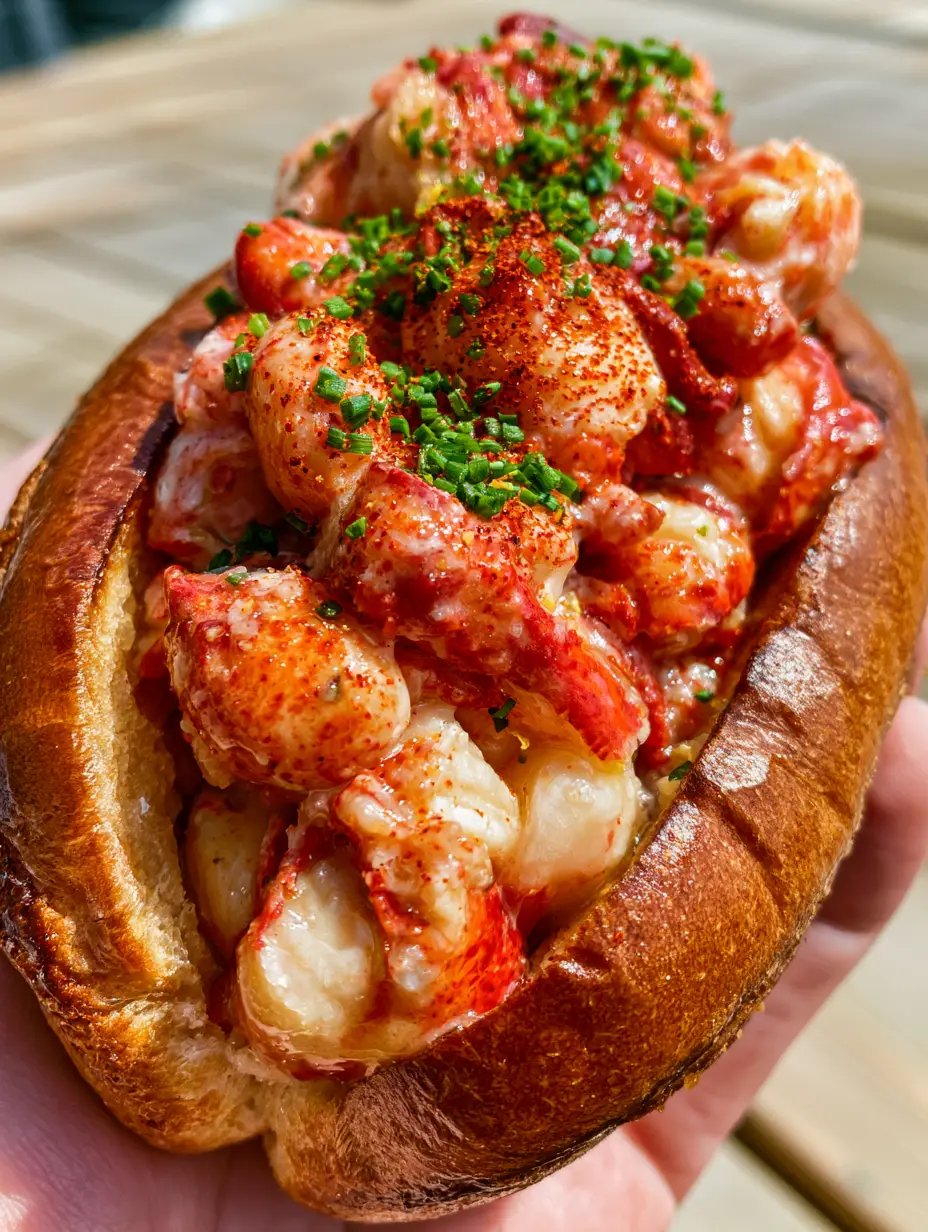
Lobster Rolls: The Ultimate Butter-Drenched Maine Style Recipe
Ingredients
Equipment
Method
- Pat the chilled lobster meat dry. In a bowl, toss the meat with 3 tbsp of warm clarified butter, lemon zest, and a pinch of salt until the meat is glistening.
- Brush the sides of the brioche with remaining butter. Sear in a cast iron skillet over medium-low heat until a deep golden-brown mahogany crust forms on both sides.
- Butterfly the buns and pile the lobster meat high. Garnish with a dash of smoked paprika and a generous sprinkle of minced chives.
Notes
Use clarified butter to avoid burning the brioche milk solids.
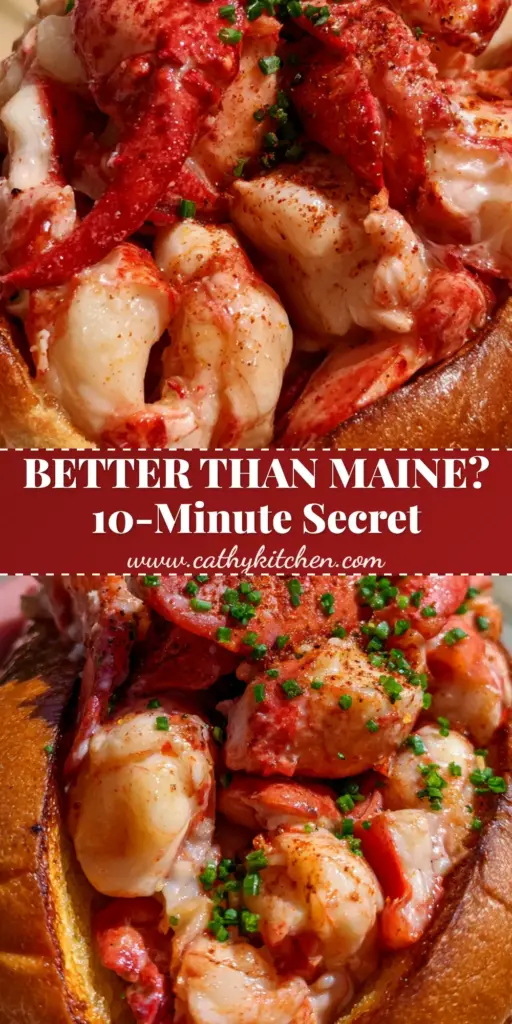
Capture the Summer in Every Bite
Making world-class Lobster Rolls at home is an act of culinary love. By focusing on the quality of the Maine lobster and the precision of the mahogany-toasted brioche, you create an experience that transcends a simple sandwich. This recipe is designed to be shared outdoors, ideally on a wooden table in the bright midday sun.
If you enjoyed this deep dive into coastal flavors, we would love to hear from you! Leave a comment below with your favorite lobster shack memory, or sign up for our newsletter for more elite recipe blueprints. Don’t forget to share your creations on Pinterest so we can see your overstuffed masterpieces!